
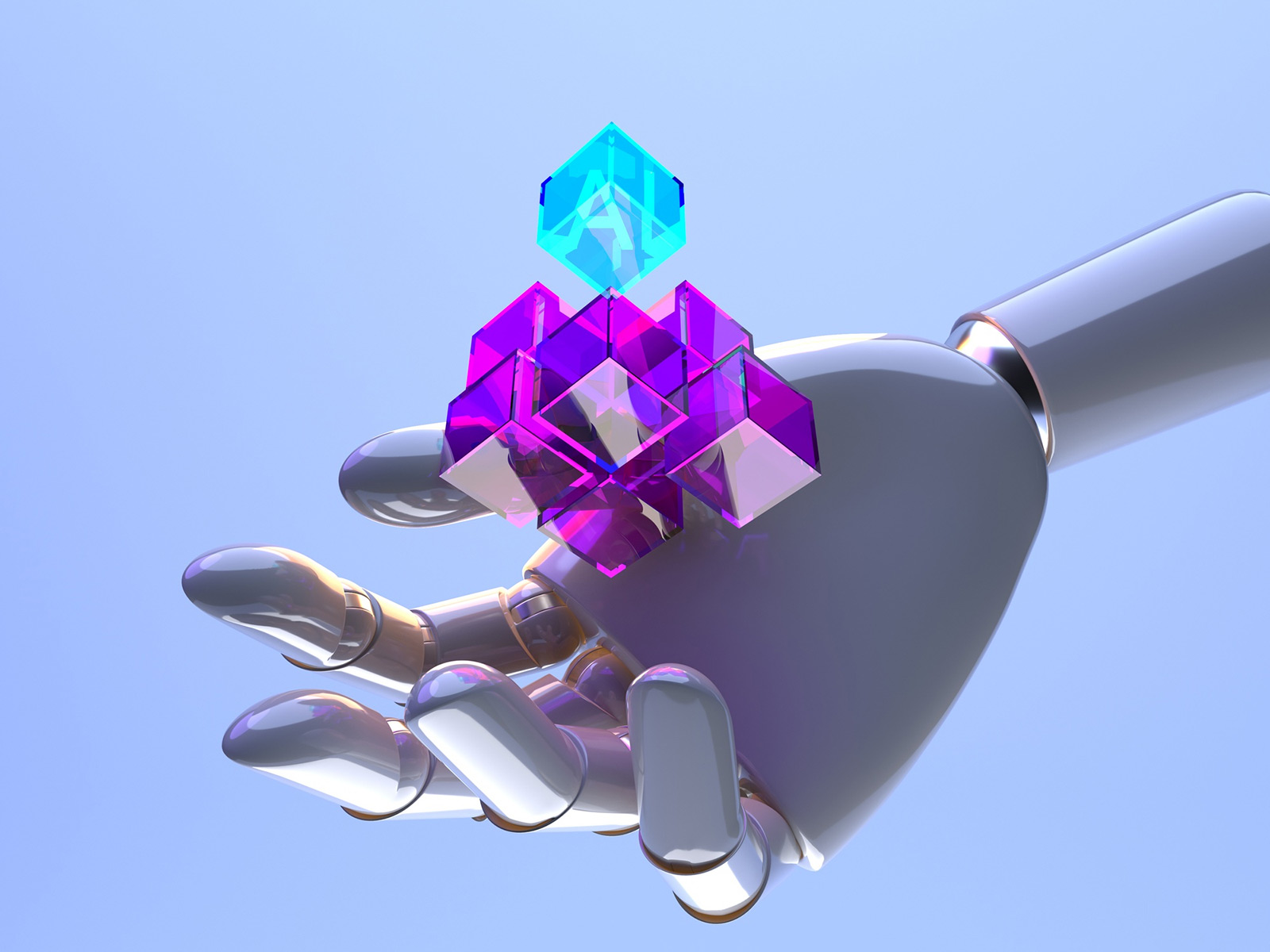
Forget about one-click creativity. Artists and musicians are finding ways to integrate AI into their workflows, embracing unpredictability, challenge, and collaboration.
AI as a Stage Partner
One evening in a London loft, Lizzie Wilson, a researcher at the Creative Computing Institute, turned her live coding session into an audiovisual performance. As she typed lines of projected code, electronic rhythms emerged in real time. The audience, fully immersed, even cheered when the software glitched.
Wilson is part of the algorave movement, where music is born from improvised programming. But she takes it further: she incorporates an AI agent that suggests unexpected sounds, pushing her creative boundaries. “It adds that element of surprise that forces you to adapt,” she says.
Beyond Automated Generators
While tools like Midjourney or DALL-E can create images with a click, many artists criticize their lack of depth. “If AI does everything for you, where’s the creative process?” questions Jeba Rezwana, an expert in co-creation.
The issue lies in how these tools are designed—they generate results from scratch each time, preventing iterative refinement. As filmmaker Walter Woodman puts it: “It’s like a slot machine—you never know what you’ll get.” Worse, many secretly tweak user prompts, straying from their original intent.
The Risk of Losing Creative Essence
Mike Cook, a researcher at King’s College, warns that these tools could stunt creativity. “Failure is how we learn,” he explains. “If AI shields us from mistakes, how do we grow?” A Microsoft study supports this: AI may reduce critical thinking and foster over-reliance.
But it’s not all bad. When used as a partner, AI can nudge creators into uncharted territory. Anne Arzberger from Delft University developed a system that detects unconscious biases in toy designs, helping refine them. “AI challenged my blind spots and improved my work,” she admits.
The Future: Tools That Challenge, Not Replace
The goal is designing systems that collaborate without taking over. Cook built Pixie, an AI that suggests game design tweaks. In one test, it transformed a level full of moving saws into a static minefield. “I’d never have thought of that—but it worked!” he says.
Nick Bryan-Kinns highlights artists like Terence Broad, who manipulate neural networks to create glitch art or abstract visuals. Yet, these techniques remain niche. “We need tools that balance control and surprise—for everyone,” he argues.
Conclusion: Creativity Stays Human
AI won’t replace ingenuity, but it can be a catalyst. As Wilson puts it: “It’s like playing in a band—you need some chaos, but also direction.” The key lies in tools that challenge rather than cater, fostering dialogue over automation.
In the end, true creativity isn’t about the output—it’s about the process. And that, for now, remains a human domain.
By: Nestor Castillo, ForAllTechNews Director