
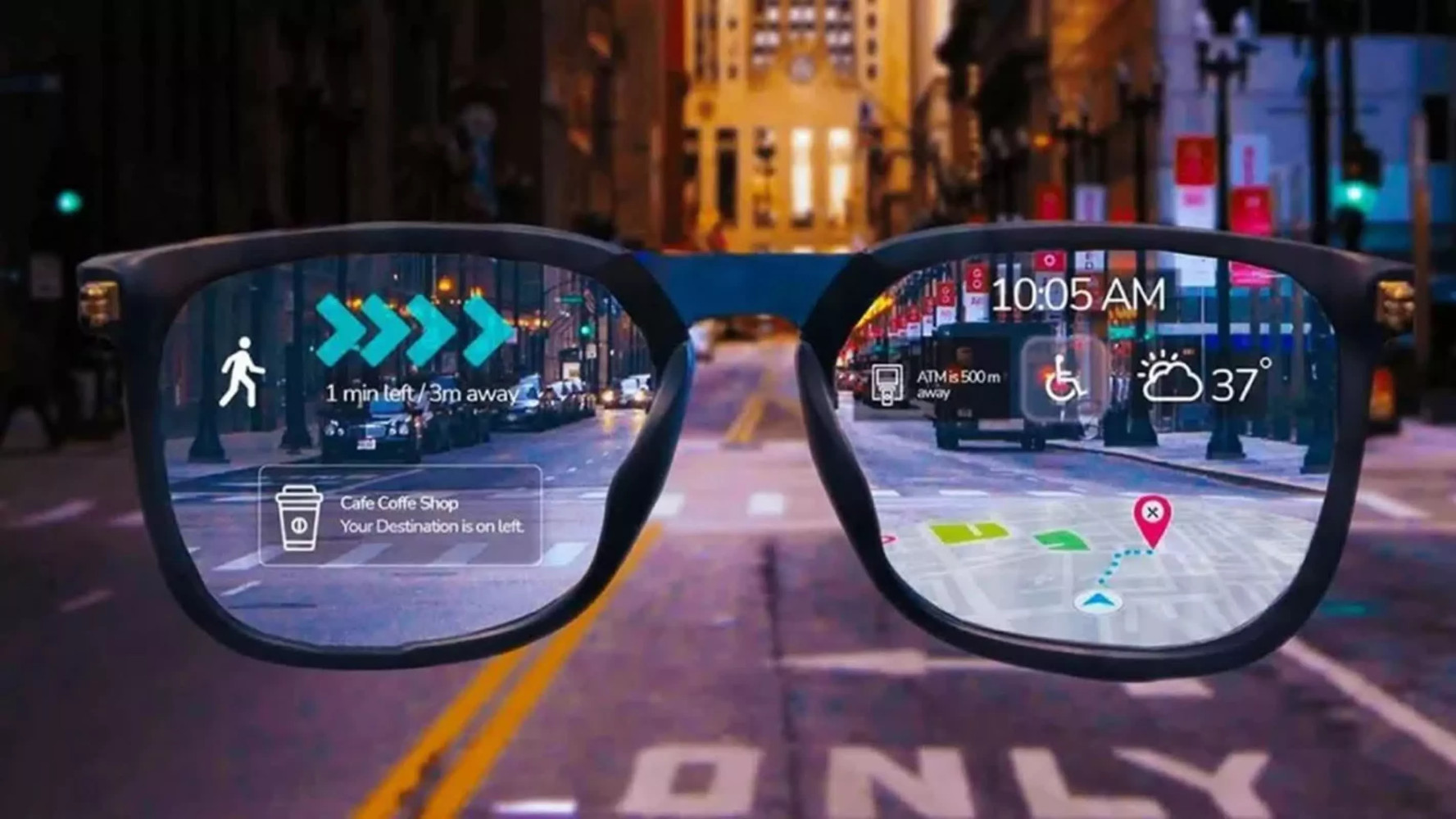
Discover how these glasses recognize objects, interpret languages, and display useful information instantly.
The Battle for the Future of Wearable Tech
The race to dominate the future of wearables is heating up, and smart glasses are emerging as the next major tech breakthrough. While Meta has already made waves with its Ray-Ban collaboration, other giants like Apple, Samsung, and Google are accelerating their own developments. Google just took a leap forward by showcasing its most advanced demonstration yet of Android XR smart glasses live at the TED2025 conference.
Until now, we had only seen these glasses in promotional videos and brief demos shared with select media. These teasers hinted at the potential of AI-powered everyday wearables but left questions about real-world performance. That changed when Shahram Izadi, Google’s Android XR lead, and Nishtha Bhatia demonstrated the prototype in action on the TED stage.
Cutting-Edge Tech in a Discreet Design
At first glance, the glasses look conventional, but they pack advanced hardware: a miniaturized camera, microphones, speakers, and a high-resolution color display embedded in the lenses. Their lightweight, ergonomic design supports prescription lenses and pairs with a smartphone to expand functionality and app access.

Gemini AI: The Brain Behind the Features
The star of the demo was Gemini, Google’s AI assistant. Bhatia showcased how the glasses can:
- Instantly generate a haiku on command.
- Remember visual details, like the title of a book seen moments earlier.
- Locate lost items, such as a hotel key card, using visual recognition.
But the capabilities go further:
- Real-time translation: A sign in English converted to Farsi and then Hindi upon request, with no manual adjustments.
- Diagram explanations and contextual recognition, like identifying a music album and suggesting playback.
- 3D map navigation overlaid directly in the user’s field of view.
Android XR: An Open Ecosystem for Extended Reality
Launched last December, Android XR is a platform developed with Samsung and Qualcomm to unify extended reality devices. It includes immersive versions of apps like YouTube, Google TV, 3D Photos, and Maps, controllable via gestures, voice, or gaze. It also supports traditional Android apps, ensuring a robust ecosystem from day one.
Samsung Joins the Race
Meanwhile, Samsung is preparing to launch its Haean glasses, expected late this year. Designed to be as comfortable and subtle as sunglasses, they reportedly feature gesture controls and powerful hardware, likely powered by Qualcomm’s Snapdragon XR2+ Gen 2 chip. Potential features include video recording, audio playback, and hands-free calls.
The Bottom Line
Google isn’t just redefining smart glasses—it’s reshaping how we interact with AI daily. With practical uses ranging from personal assistance to professional tools, its vision could mark the dawn of a new wearable era. The question now is: Is the world ready to embrace it?
By: Nestor Castillo, ForAllTechNews Director