
An innovative marketing campaign by Taylor Swift has sparked an unexpected debate among her fanbase. To promote her new album, “The Life of a Showgirl,” the artist organized a complex digital treasure hunt that began simply by searching her name on Google’s search engine.
The interactive mechanism displayed an enigmatic message—”12 cities, 12 gates, 1 video to unlock”—that guided participants through an elaborate process combining physical and digital elements. Fans had to locate gates in different cities, scan specific QR codes, and collectively reach the goal of twelve million clicks to reveal exclusive content, including the lyrics for “The Fate of Ophelia” on YouTube.
However, the excitement for the game was tarnished when some followers began questioning the authenticity of the promotional videos. Various visual elements in the clips led them to suspect that the content might have been created using artificial intelligence instead of traditional filming techniques.
The speculation intensified considering the current technological context. As OpenAI unveils its advanced Sora 2 generator, this collaboration would represent a strategic opportunity for Google to demonstrate the capabilities of its own Veo 3 model to millions of potential users. Although both companies remain silent on the technical details of the production, their history of past collaborations fuels conjecture.
This controversy touches a sensitive nerve in today’s creative industry. The use of AI in artistic productions generates divided opinions: some creators see these tools as instruments of innovation, while others protest against models being trained on their work without consent.
Swift’s personal stance on this technology adds nuance to the debate. Last year, the singer spoke out against the dangers of AI-driven misinformation after a fabricated image circulated showing her supporting Donald Trump’s campaign. This incident led her to publicly declare her support for Kamala Harris and express her concerns about the risks of this technology.
The particular irony noted by some observers lies in the fact that an artist of her financial and creative magnitude—with unlimited resources to produce high-quality content—would potentially opt for AI tools, when many would argue she should set a standard for supporting human talent in the music industry.
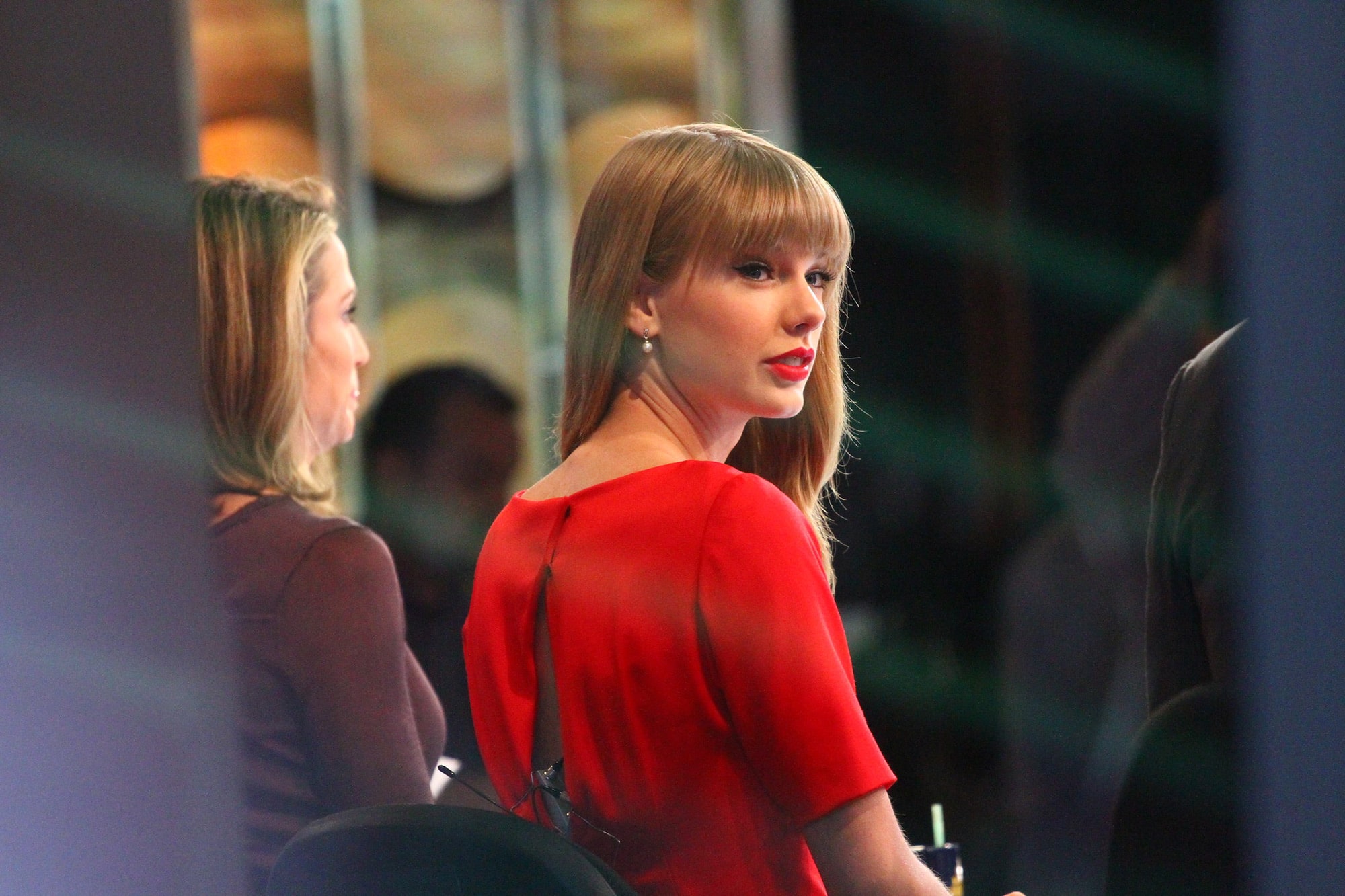
Image credit: By Paolo V / CC BY 2.0. / Attribution 2.0 Generic