
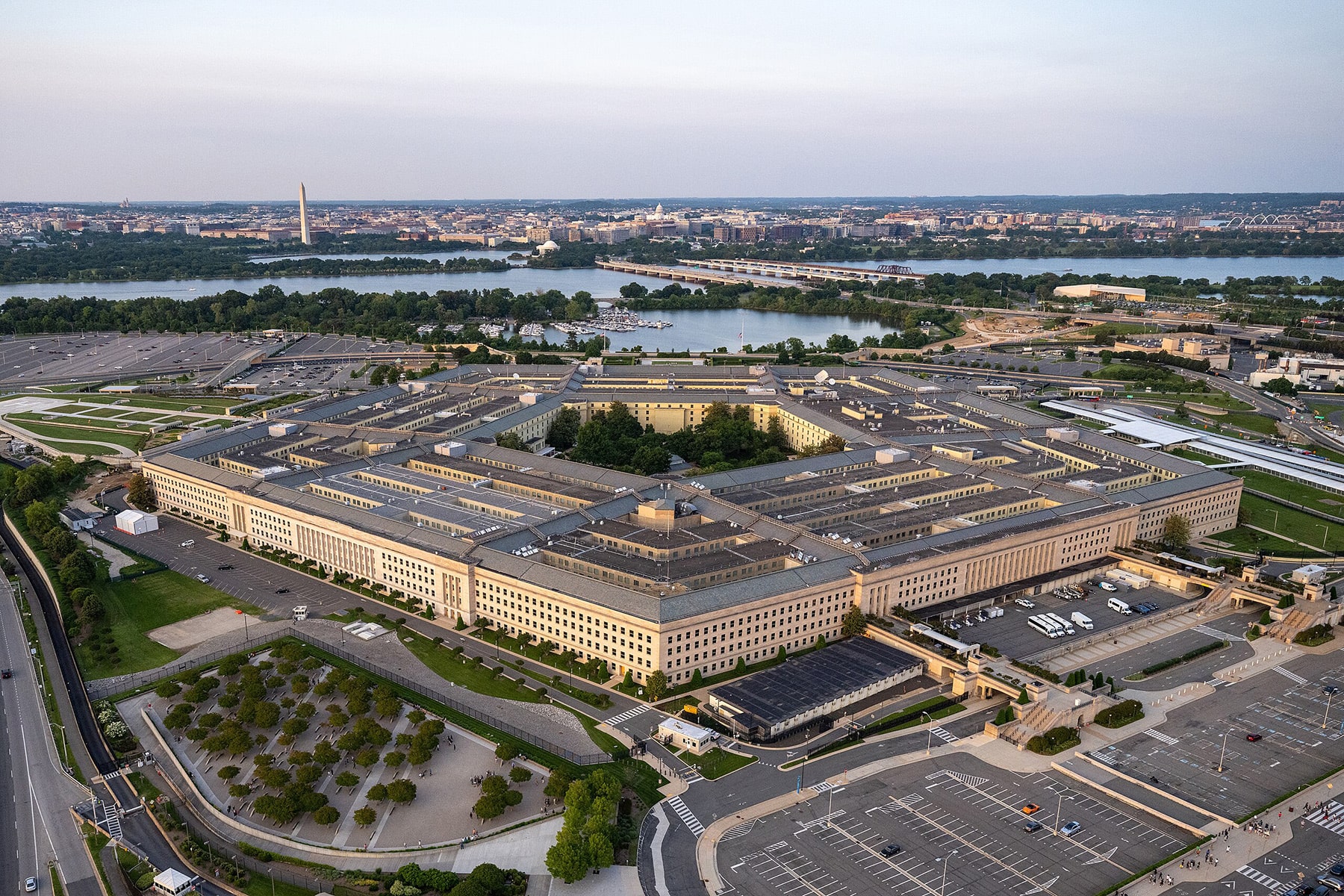
The Trump administration’s cost-cutting approach to federal spending persists, even as figures like Elon Musk clash with the president. Recently, Secretary of Defense Pete Hegseth announced the downsizing of a key Pentagon office responsible for testing and certifying the safety of artificial intelligence systems and weaponry.
Citing the need to “cut bloated bureaucracy and waste in favor of greater lethality,” Hegseth slashed the staff of the Director of Operational Test and Evaluation (DOTE) office by half. Established in the 1980s by congressional mandate after failures in military systems that didn’t meet expectations, the office will shrink from 94 to 45 employees, its director will be replaced, and changes must be implemented within just one week.
This drastic overhaul targets an agency that operated without major controversy for four decades. Here’s how it could benefit defense tech firms with ties to the Trump administration—and why it might compromise safety.
Why This Office Matters
According to Missy Cummings, a former fighter pilot and engineering expert, DOTE serves as “the final gatekeeper before a technology reaches the battlefield.” While the military can test systems on a small scale, any large-scale deployment requires its approval. Historically, this independent review has prevented fraud and technical failures, ensuring systems meet rigorous standards.
Cuts at a Critical Time
The move comes as the Pentagon accelerates AI integration into military operations, with companies like OpenAI and Anduril (now valued at $30 billion after a recent funding round) securing massive contracts. Hegseth argues the cuts will streamline processes and save $300 million, but Cummings warns they could undermine safety and favor well-connected contractors.
Critics Raise Alarms
Mark Cancian, a former Pentagon advisor, expressed concern: “It’s not that everything will stop working, but the risk of undetected flaws reaching combat will rise.” While acknowledging that testing can slow innovation, he stressed its importance—especially for emerging technologies like generative AI, which is prone to unpredictable errors.
Toward Less-Regulated Military AI?
The military has long used AI, but its current push involves advanced language models, despite their limitations. With DOTE weakened, who will ensure reliability? While firms like Anduril and Anthropic declined to comment, the message is clear: speed is being prioritized over oversight. In a field where failures can cost lives, this could be a dangerous gamble.
By: Nestor Castillo, ForAllTechNews Director
Image credit: Wikimedia Commons / CC BY 4.0 / Attribution 4.0 International