
Advances in AI models are transforming how musicians worldwide create and practice. I am one of them.
“For the third time, stop hitting the desk!” my elementary school teacher scolded me from across the classroom. I hadn’t paid attention the first two times. I was too focused on my fingers, which acted as drumsticks, and the floor, which served as the bass drum. Though my body was in math class, my mind was somewhere else.
It was 1970. In my imagination, I was John Bonham, the drummer of Led Zeppelin, on stage at the Royal Albert Hall, performing “Moby Dick,” one of the most iconic drum solos in history. The lights were dim, the atmosphere electric, and I was fully immersed in every beat, drawing the audience into a rhythmic trance.
These fantasies were frequent for me, more than my teachers and parents would have liked, but nothing could stop me. The drums were my refuge, an escape from the ups and downs of adolescence (and the tedious math classes).
Back then, the best way to immerse myself in music was to play the drums along to my favorite songs. To do this, you needed tracks without the original drums. That way, you could not only play alongside your favorite drummer but become them.
However, in the early 2000s, removing the drums from a song was almost an impossible mission. The only option was to find original recordings of bands without the percussion. Some of these tracks circulated online or on CDs, but only for very popular songs. This technological limitation forced me, like many others, to settle for being a secondary drummer. I wondered if there would ever be an easy way to extract the drums from any song…
Today, those dreams have become a reality. Several applications now use AI to separate and extract stems (such as bass, drums, or vocals) from any track. One of them is Moises, created by Brazilian developer Geraldo Ramos.
Like me, Ramos is a drummer. But unlike me, he is also a tech prodigy.
“Since I was young, I’ve worked with computers, but I also play the drums,” Ramos explains to TNW. “I’ve always had these two passions: music as a hobby and technology as a profession. With Moises, I managed to combine them.”
Ramos launched Moises using Spleeter, an open-source AI model developed by the research team at Deezer, the French music streaming company. Spleeter was revolutionary at the time, but it was designed for researchers, not musicians. Ramos adapted the model and created an initial version of Moises. In the first week, over 50,000 people signed up.
“I realized this was just the beginning: this new generation of tools will completely change how people create, consume, and produce music,” says Ramos.
Moises claims to have 50 million registered users already. The app is used both by amateurs looking to improve their skills and by emerging artists.
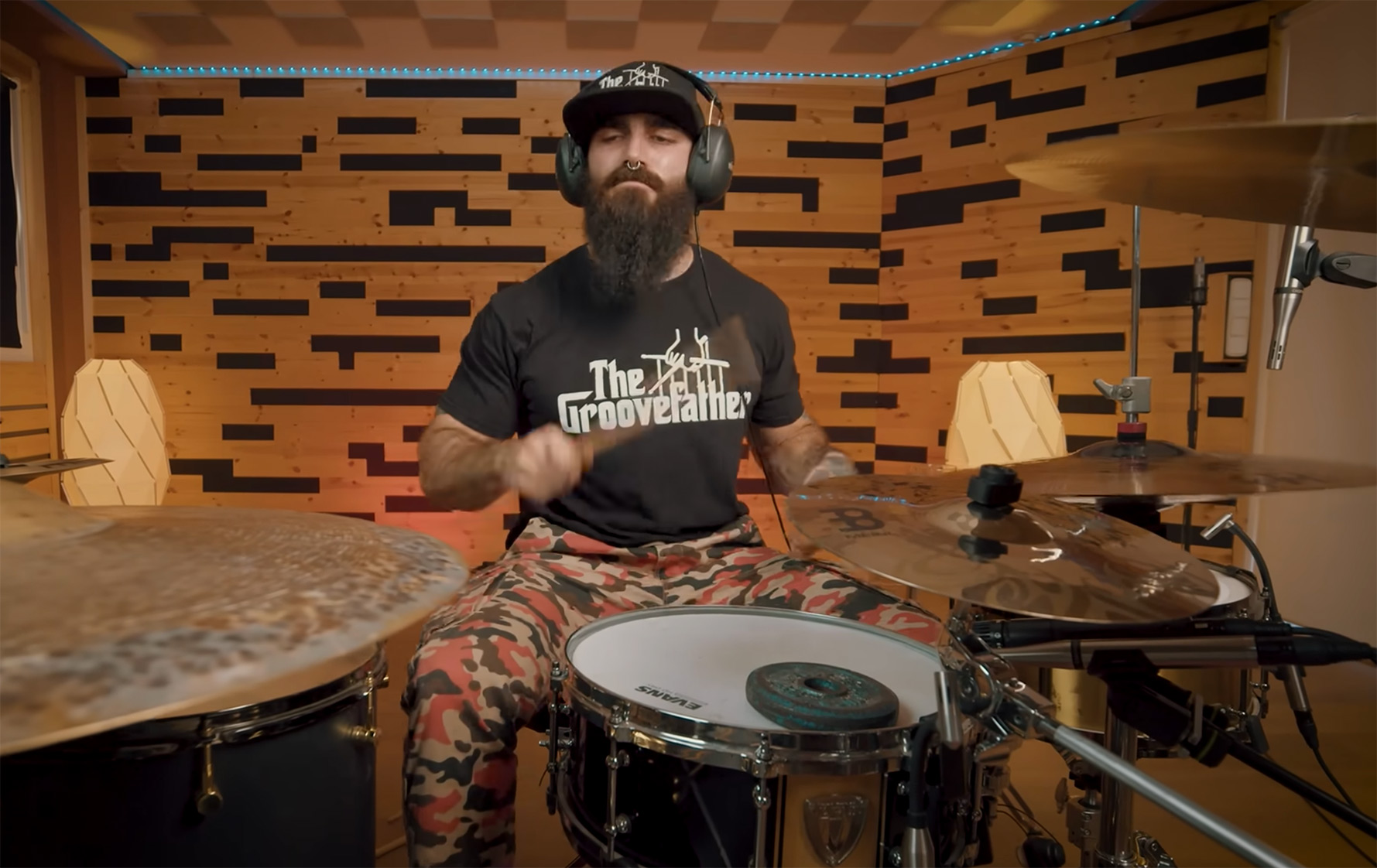
YouTube drummer Jorge Garrido, known as “El Estepario Siberiano,” describes the tool as “something revolutionary.”
“Now I can not only play any drum part over my covers, but I can also learn songs by extracting the drums from the original mix,” he tells TNW.
El Estepario, from Valencia, Spain, gained popularity through viral videos on Instagram. With over 4.5 million subscribers on YouTube, he is one of many young musicians leveraging technology to refine their art and connect with global audiences. Increasingly, this includes the use of artificial intelligence.
“Tools like AI are simplifying everything,” he states. “You no longer need a PhD in mastering to master that technique, or a degree in audio engineering to separate instruments. Technology is democratizing access for artists.”
You can judge the results in this video of El Estepario in action:
By: Nestor Castillo, ForAllTechNews Director