
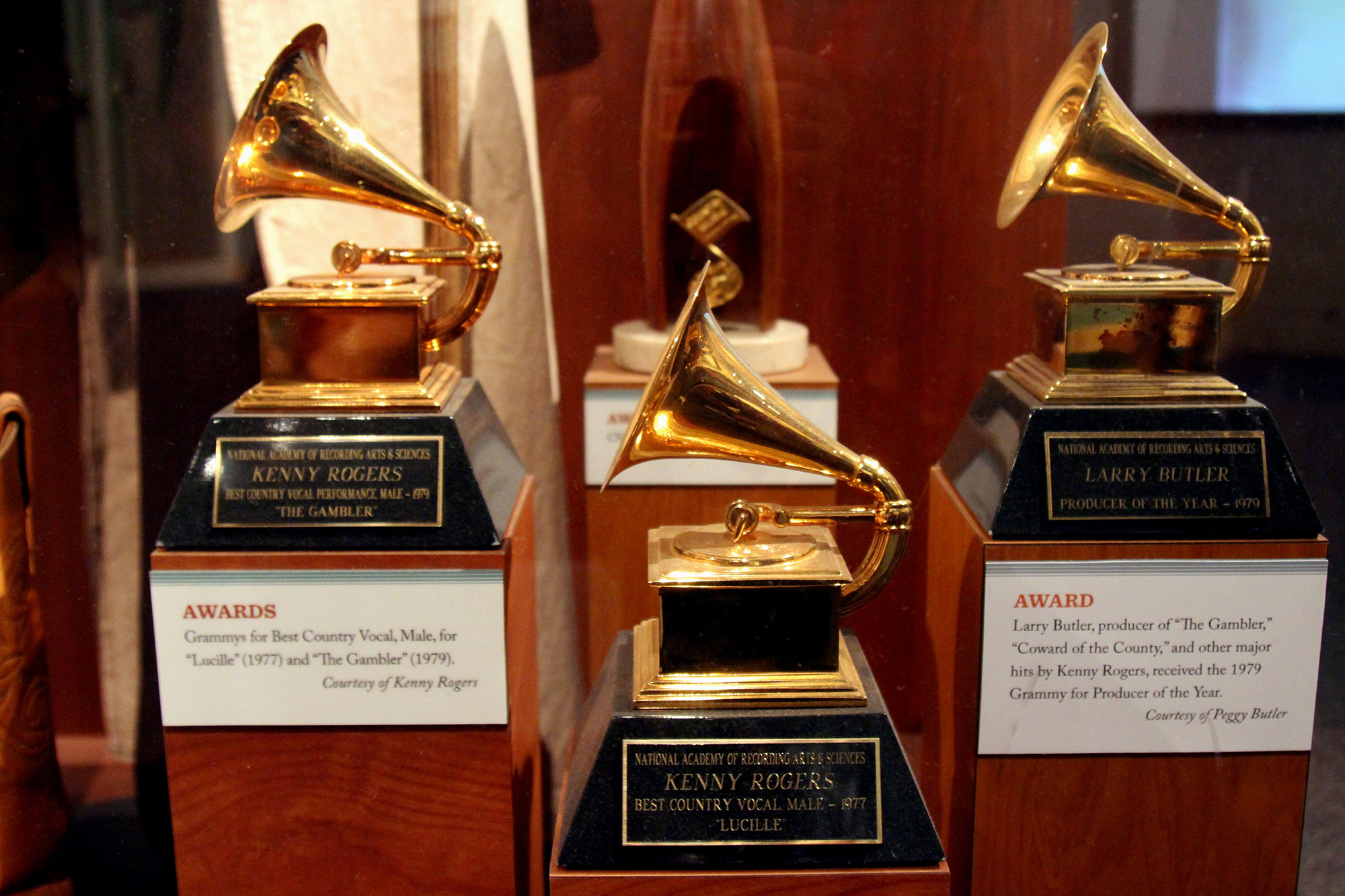
A few months ago, Mason Jr., head of the Recording Academy, stirred controversy by announcing that the prestigious Grammy Awards would accept music created with the help of artificial intelligence. Although there was initial confusion, Mason clarified that only humans can receive the awards, although AI can be used in the creative process.
“It’s a somewhat blurry line, but it’s something that will continue to evolve,” he said in an interview with TechCrunch, referring to how the Academy is addressing the use of AI in music. Mason emphasized his hope that human creativity at the highest level will always be celebrated.
The rise of AI has sparked significant concern in the artistic realm, just as it has in Silicon Valley. Doubts center on whether AI could replace humans and how it will impact copyright, royalties, and the personal effort invested in musical creation. According to Mason, there is a wide range of reactions within the industry: while some people are scared and nervous, others are excited and optimistic. Meanwhile, some artists have sent legal notices to stop the distribution of unauthorized AI-generated copies of their work, while others accept these AI versions, as long as they receive compensation.
Musician Devante, the Artist, expressed his skepticism about AI in music to TechCrunch, stating, “I believe AI shouldn’t be in music; it should be limited to simple tasks. As an artist, the idea that AI is taking over is alarming. Music is my world, and it’s frustrating to see how someone can replicate something that has taken me a lifetime to achieve.”
On the other hand, an anonymous musician who also works for a major tech company offered a more positive perspective, comparing the potential impact of AI to the Industrial Revolution. He noted that instead of causing widespread unemployment, technological revolution could open new opportunities for creatives, especially musicians, and encouraged his colleagues to adopt a more open mindset towards AI.
Mason acknowledged that AI is already being used in music, particularly in tasks like mastering and sound equalization. The industry’s biggest concerns currently are ensuring that artists receive the necessary approvals for the use of their work, that credits are properly assigned, and that artists are fairly compensated for the use of their works to train AI or for the use of their image.
To address these challenges, Mason co-founded the Human Artistry Campaign, which seeks to promote more protective measures around the use of AI in music. He has also supported the ELVIS Act, passed in Tennessee, which gives artists greater protections against the unauthorized use of their voices, as well as the No AI Fraud Act and the No FAKES Act, which aim to protect creators from AI-generated fakes.
The rapid advancement of AI poses an urgent challenge for legislation. This month, Donald Trump faced a complex legal issue after using unauthorized AI-generated images of Taylor Swift in his presidential campaign. At that time, TechCrunch reported that the ELVIS Act is so recent that there are no clear precedents on how it could be applied to protect artists like Swift in similar situations.
The debate over AI regulation has been intense, especially in Silicon Valley. Some technology advocates favor a less restrictive approach, arguing that too many regulations could stifle innovation. Others, however, believe it is crucial to protect people from the potential negative impacts of uncontrolled AI. Governments, both at the state and national levels, are grappling with these issues.
Devante, the Artist, believes there is a disconnect between current regulatory actions and what is really needed to protect music. He suggests that AI development should be slowed down or that innovations should be created to help differentiate human voices from AI-generated ones.
Mason concluded by noting that, although AI still generates uncertainty within the creative community, he is confident that humanity will adapt to this new technology, just as it has with previous technological advances. He recalled how, in the past, artists had to learn to use synthesizers and sample music, which initially also generated controversy. Over time, the industry found ways to regulate these practices, ensuring that credits and royalties were properly assigned.
“We will continue to create incredible music with new technology,” Mason affirmed. “But I want to make sure it’s done fairly for human creators.”
By: Nestor Castillo, ForAllTechNews Director
Image Credits: Flickr / CC BY 2.0 / Attribution 2.0 Generic