
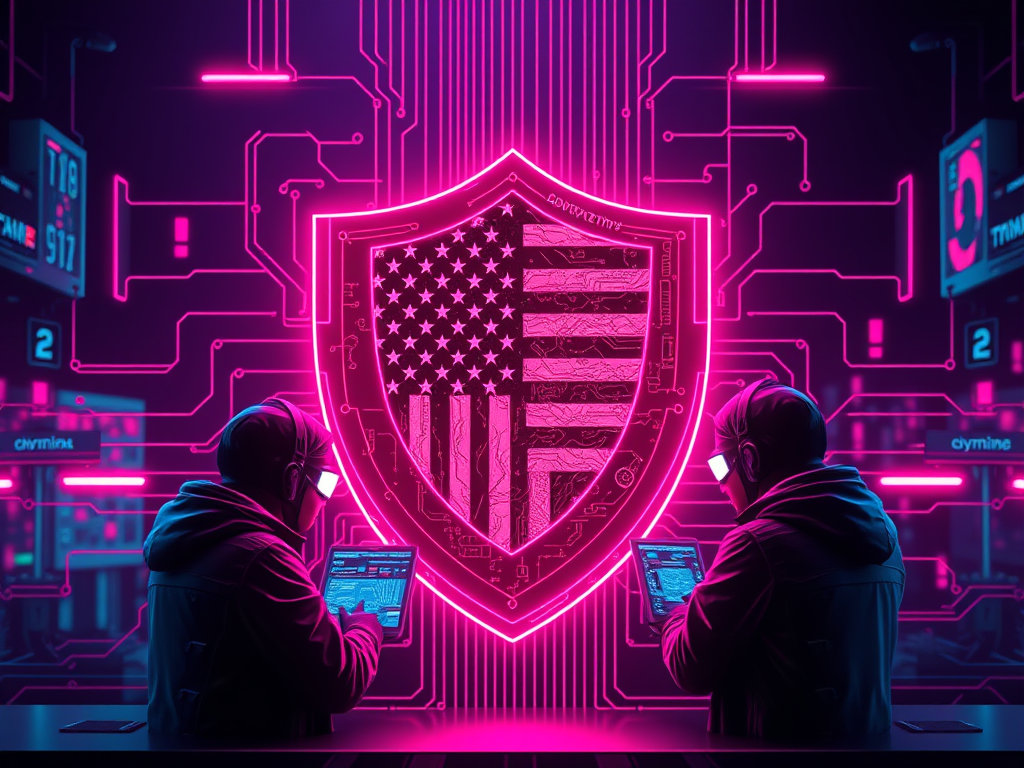
With the arrival of the new Trump administration, the cybersecurity sector faces a period of uncertainty. Companies and experts are analyzing every move during the transition, policy announcements, and speeches to anticipate how this new phase will impact the cybersecurity landscape in the United States.
One of the key points is the administration’s intent to roll back regulations deemed obstacles to innovation and business growth. This approach aligns with the “America First” policy, which promises a stronger stance against external threats, particularly targeting countries like China.
New Directions for National Security
HackerOne, a company known for working with federal agencies through its network of ethical hackers, shares expectations of strengthened defensive and offensive cybersecurity measures. According to its Chief Legal and Policy Officer, Ilona Cohen, the administration may freeze pending regulations at the outset of its term and review policies implemented by the previous administration, including those related to artificial intelligence.
On the other hand, experts like Richard Caralli from Axio warn that excessive deregulation could compromise critical sectors by weakening incentives to improve incident response. Dr. Leila Powell from Panaseer highlights that increasing regulatory oversight and economic challenges will place cybersecurity at the forefront of business leaders’ concerns.
The Role of the CISA Agency
Created in 2018 during Trump’s first term, the Cybersecurity and Infrastructure Security Agency (CISA) has played a key role in protecting the nation’s critical infrastructure. However, speculation arises about how its role may be redefined in this new phase. Cohen suggests the administration is likely to refocus CISA on cybersecurity efforts while reducing initiatives such as combating disinformation.
Other experts, like Philip Lieberman, argue that a clear national policy is essential to articulate the roles of various federal agencies. This includes strong leadership from the White House and a budget that encourages investment in cybersecurity, as well as tax incentives for companies in the sector.
Ethical Hackers and Vulnerability Programs
Vulnerability disclosure programs, such as bug bounties and hackathons, will remain essential tools for mitigating risks. According to Tim Mackey, an expert in risk strategies, these initiatives enable the identification and resolution of weaknesses in critical systems. Additionally, Cohen emphasizes that these programs are likely to expand to address challenges in emerging technologies like artificial intelligence.
Conclusion
The upcoming administration faces significant challenges in the realm of cybersecurity. While the Trump administration promises a firm and disruptive approach, balancing deregulation, innovation, and protection will be crucial to ensuring a secure environment against increasingly sophisticated threats. Ultimately, the path to a robust strategy will depend on well-informed political decisions and a strong commitment to national security.
By: Nestor Castillo, ForAllTechNews Director