
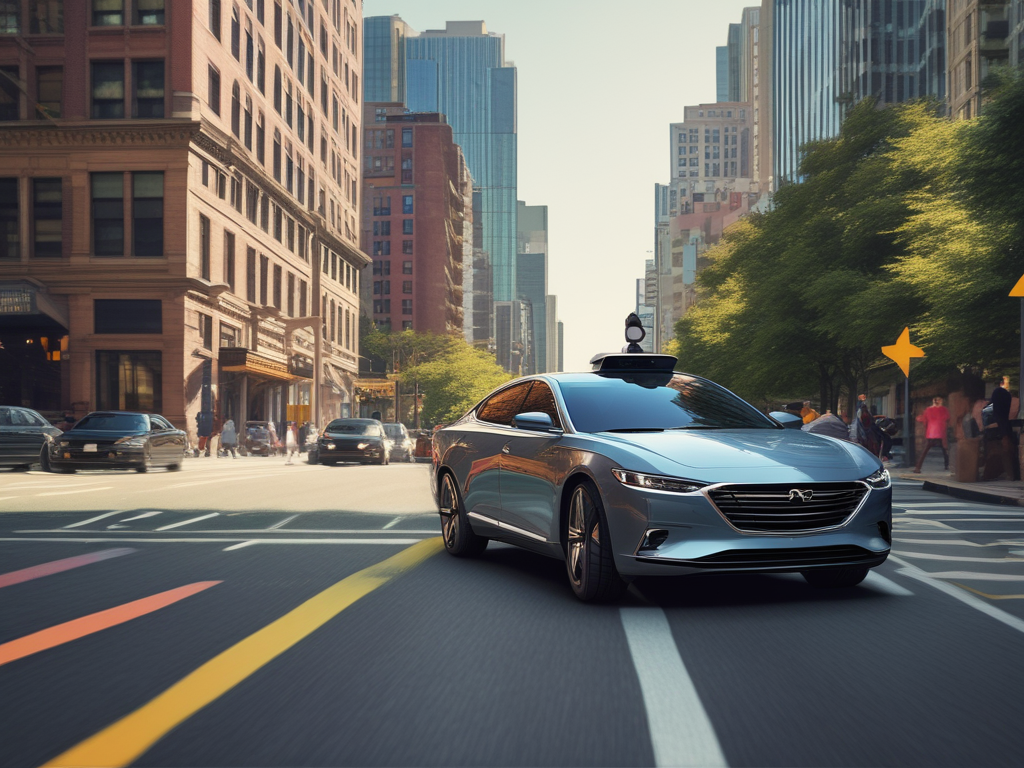
Cruise, the autonomous driving subsidiary of General Motors, has agreed to pay a $112,500 fine for not providing complete information about an accident involving one of its robotaxis last year. This agreement with the California Public Utilities Commission (CPUC) not only avoids litigation but also allows Cruise to resume its operations in the state.
The settlement agreement “ends this dispute,” allowing the Commission staff to “devote its resources to the regulatory oversight of Cruise instead of engaging in potentially prolonged litigation,” the ruling states. In a statement, Cruise expressed its satisfaction with the agreement and noted that it has taken “important steps to improve our leadership, processes, and culture.”
Cruise faced significant backlash in October 2023 when one of its robotaxis struck a pedestrian who had been thrown into its path after being hit by a human-driven vehicle. The robotaxi dragged the pedestrian 20 feet while attempting a pull-over maneuver, and Cruise’s staff did not immediately share this incident with the CPUC and other regulators. This withholding of information led both the CPUC and the California Department of Motor Vehicles (DMV) to revoke Cruise’s permits to operate driverless vehicles in the state.
Since then, Cruise has implemented a series of “corrective measures” that have alleviated many of the CPUC’s concerns about the company’s ongoing autonomous vehicle operations. The agency’s ruling highlights Cruise’s actions, including hiring the law firm Quinn Emanuel to conduct an internal investigation, creating a more transparent corporate operation, and the departure of key personnel such as former CEO Kyle Vogt.
The Commission acknowledged that Cruise has taken responsibility for its past failures and committed to being more transparent with the agency in the future. Cruise also earned points for trying to “resolve this dispute quickly,” rather than going through a lengthy and costly process of decisions, appeals, and hearings.
“We conclude that by taking these corrective measures, Cruise is on the path to restoring public trust by becoming a more transparent and cooperative entity that will not withhold material information from regulatory agencies overseeing its AV transportation services,” the ruling states.
As part of the agreement, Cruise must also periodically share information about incidents with the CPUC. This includes increased collision reports and monthly reports on incidents involving autonomous vehicles that need to be physically recovered from the field.
Before the October 2 incident, Cruise had already been criticized by the public, politicians, and law enforcement agencies because its robotaxis had a bad habit of malfunctioning in traffic.
Cruise has slowly been deploying its vehicles in other states with fewer regulatory hurdles. Since April, the company has launched small fleets with safety operators behind the wheel in Phoenix, Houston, and Dallas to map and restart testing.
In California, where its competitor Waymo is quickly gaining ground, Cruise might adopt a similar approach. Although the DMV suspended Cruise’s permits to operate vehicles without a human driver in the front seat and the CPUC suspended permits for charging for such services, Cruise still has an active permit with the DMV to test its vehicles with a safety driver, something the company might rely on as it tries to close this chapter and move forward.
A Cruise spokesperson told TechCrunch that the company is committed to rebuilding trust with regulators, officials, and communities in San Francisco, Cruise’s hometown, and all the places it previously operated. Both the DMV and Cruise have confirmed that the company has taken steps to reinstate its other permits, but neither provided further updates or a timeline. A Cruise spokesperson mentioned that DMV permits are a necessary condition to reapply for CPUC permits.
The CPUC did not respond to TechCrunch’s question about whether the agency is preparing to reapprove any of Cruise’s permits.
By: Nestor Castillo, ForAllTechNews Director