
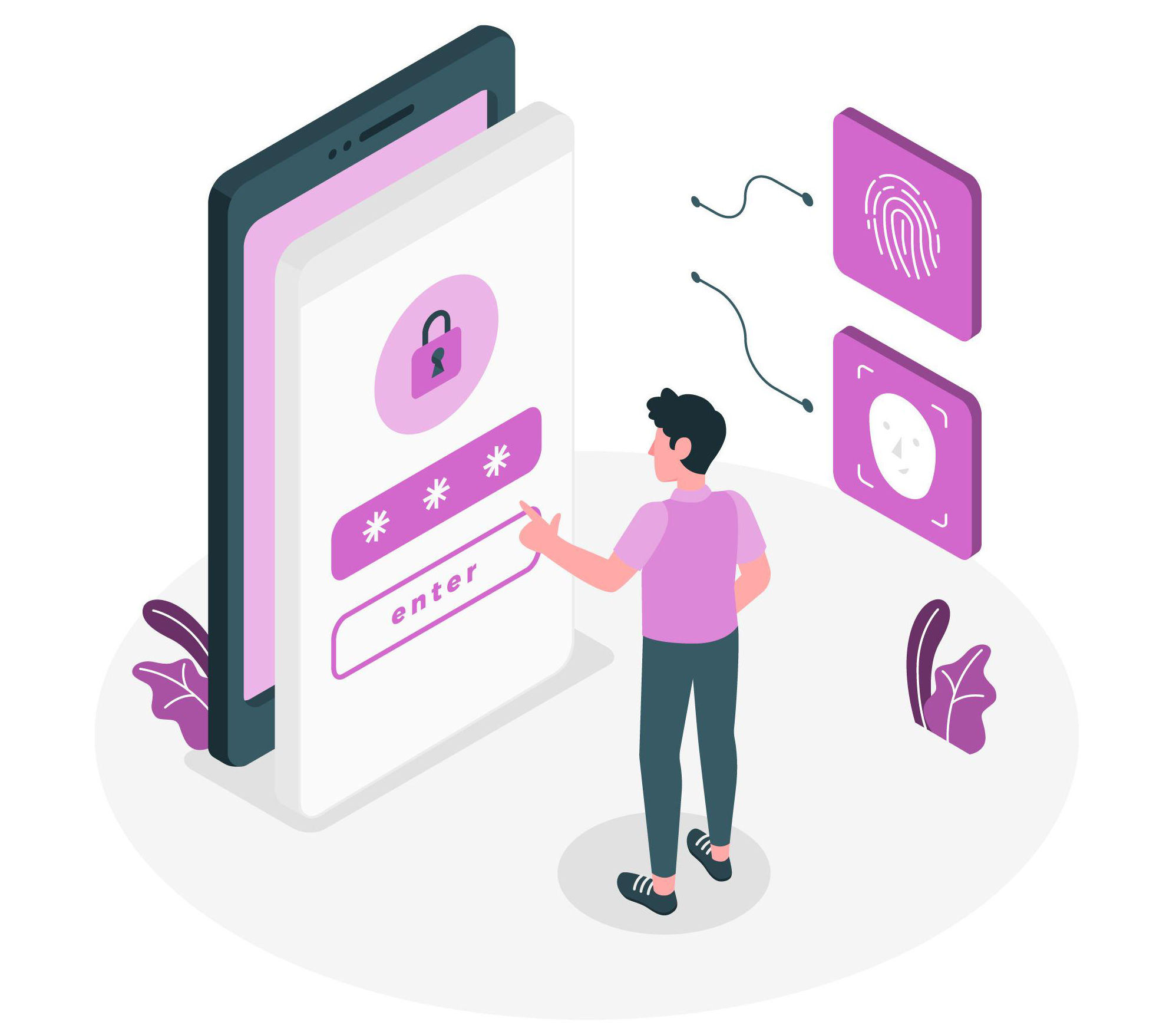
Technology companies continue to move towards password-free logins with passkeys. Passkeys create a cryptographic key pair with trusted devices (such as a smartphone) and a PIN code or a biometric authentication method, such as fingerprint or facial reading, which can then be used to log in to sites and services.
The purpose is to make accounts more secure and easier to access. THE technology giant Google is taking initiatives so that we leave the obsolete login behind. In a blog post, the company writes that it is starting to offer passkeys as the default sign-in method when you try to access your Google Account.
The goal is to reduce the use of traditional passwords and help users better protect their accounts. As we all know, passwords can be leaked in case of breaches of various services and as poor humans, we often reuse the same password in multiple places. So, a small password leak can start a domino effect of hijacked logins if you’re unlucky. Passwords prevent that.
So far Google will not remove passwords at login yet,
Google won’t remove passwords as a sign-in option (at least not yet) but it’s working on it.
Really a passwords are a pain. They’re difficult to remember, easy to lose, and can be easily hacked. That’s why Google is working on a new way to log in to websites and apps: passkeys.
Passkeys are a new type of authentication that is more secure and convenient than passwords. They use cryptography to create a unique key for each website or app, which is then stored on your device. When you want to log in, you simply authenticate with your device using a biometric or PIN.
Google has been testing passkeys for some time now, and they’re expected to be rolled out to all users in the near future. In fact, Google has already announced that it will be removing keys from its own devices, such as the Pixel phone, within the next few years.
So, what does this mean for you? Here are a few things you need to know:
- Passkeys are more secure than passwords. Passkeys are impossible to crack or hack, because they are stored on your device and not in the cloud.
- Passkeys are more convenient than passwords. You don’t need to remember or type a password to log in with a passkey. Simply authenticate with your device using a biometric or PIN.
Passkeys work with all websites and apps. Passkeys are a new standard that is being developed by Google, Apple, and Microsoft. This means that they will work with all websites and apps, regardless of which platform you’re using.
If you’re interested in trying passkeys, you can sign up for the beta program on Google’s website. Once passkeys are rolled out to all users, you’ll be able to use them to log in to any website or app that supports them.
Here are some of the benefits of removing keys in the future:
Increased security: Passkeys are more secure than passwords because they are impossible to crack or hack.
Convenience: Passkeys are more convenient than passwords because you don’t need to remember or type a password to log in.
Reduced cost: Removing keys from devices could reduce the cost of production and make devices more affordable.
Environmental impact: Removing keys from devices could reduce the amount of electronic waste produced.
Here are some of the challenges of removing keys in the future:
Compatibility: All devices and websites would need to support passkeys in order for them to be widely adopted.
Accessibility: People with disabilities may need additional assistance using passkeys.
Education: Users would need to be educated on how to use passkeys and the benefits of doing so.
Overall, the benefits of removing keys in the future outweigh the challenges. Passkeys are more secure and convenient than passwords, and they could reduce the cost of devices and the environmental impact of the electronics industry. However, it is important to address the challenges of compatibility, accessibility, and education before passkeys can be widely adopted.