
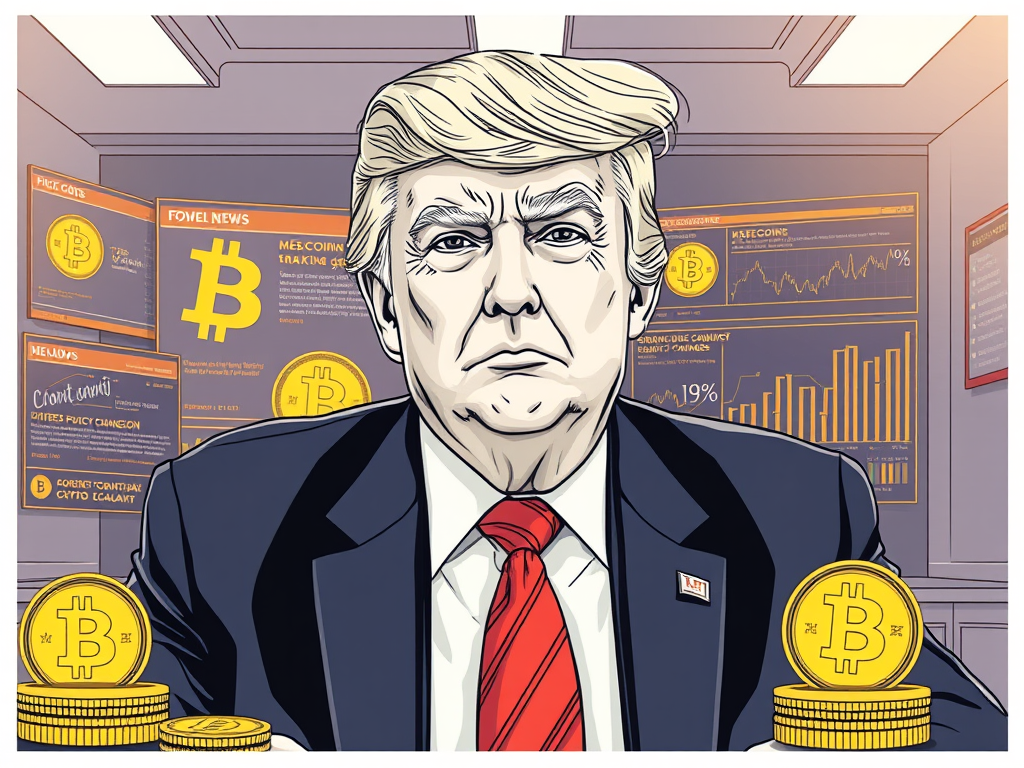
While global attention was focused on the escalating tariff tensions between the U.S. and China, the Trump administration quietly made a significant move in crypto: repealing a key IRS rule that sought to impose stricter tax reporting requirements on decentralized finance (DeFi) platforms.
With this decision, Trump has not only dismantled one of the Biden administration’s major crypto regulations but also marked his first legislative milestone in the digital asset space.
Biden’s Regulatory Legacy
In late 2023, during the final months of his term, Joe Biden established the U.S.’s first national strategy on cryptocurrencies. Among its provisions was a rule requiring DeFi platforms to comply with tax reporting obligations similar to those of traditional financial institutions, such as banks and brokers.
The stated goal was to “address risks while harnessing the potential benefits of digital assets.” However, the rule proved controversial by forcing non-custodial wallet providers and other DeFi participants to report user transactions and data to the IRS.
Trump Scraps Reporting Rules—But Not Taxes
Four years later, Trump has fully repealed the regulation, calling it “bureaucratic overreach.” Importantly, the repeal does not eliminate crypto tax obligations for individuals—it only removes the requirement for platforms to automatically collect and submit user data to the IRS.
The news has been met with optimism in the market, contributing to a slight uptick in Bitcoin and other cryptocurrencies in recent hours.
Next Target: Stablecoins
After this first move, the Trump administration has set its sights on stablecoins—digital assets pegged 1:1 to the U.S. dollar, offering stability compared to volatile cryptocurrencies.
During a White House summit on March 6, Treasury Secretary Scot Bessent suggested that promoting stablecoins could help reinforce the dollar’s global dominance.
But there’s another factor at play: Trump’s personal interests. Through World Liberty Financial, a company backed by his family, the former president recently launched USD1, a dollar-backed stablecoin. Additionally, before taking office, he promoted $Trump, a memecoin with a controversial distribution model (only 10% available to the public, while 89% was held by entities linked to him).
The Bottom Line
As the trade war with China continues to dominate headlines, Trump is reshaping U.S. crypto policy with a more permissive approach—though not without personal stakes. The repeal of the IRS rule is just the first step; a push for stablecoins may be next.
Is this a move toward true decentralization, or simply a shift in who calls the shots? Only time will tell.
By: Nestor Castillo, ForAllTechNews Director