
Sachin Kansal, recently appointed as Uber’s Head of Product, faces the challenge of integrating autonomous vehicles into the company’s platform, balancing the presence of human drivers and robots. Known for his hands-on approach to testing and improving Uber’s services, Kansal has completed hundreds of rides and produced detailed reports to identify areas for improvement. Now, his mission is to lead the incorporation of robotaxis, such as those from Waymo, into Uber’s app.
The process involves complex technological integration on the platform’s backend, where the system must decide in real-time whether to assign a human driver or an autonomous vehicle for each ride or delivery request. Uber, which initially sought to develop its own autonomous technology, now collaborates with 14 autonomous vehicle companies worldwide, including Waymo, with whom it launched a robotaxi service in Austin this week. This service, called “Waymo on Uber,” is exclusive and can only be requested through the Uber app.
The partnership divides responsibilities: Waymo handles testing, roadside assistance, and passenger support, while Uber manages the fleet, including cleaning, maintenance, and logistical operations. However, the introduction of robotaxis has raised concerns among human drivers, who fear that autonomous vehicles could reduce their earnings or eliminate their jobs. Kansal, who led the launch of Uber’s teen service, is confident that the experience gained with human drivers will be key to optimizing operations with autonomous vehicles.
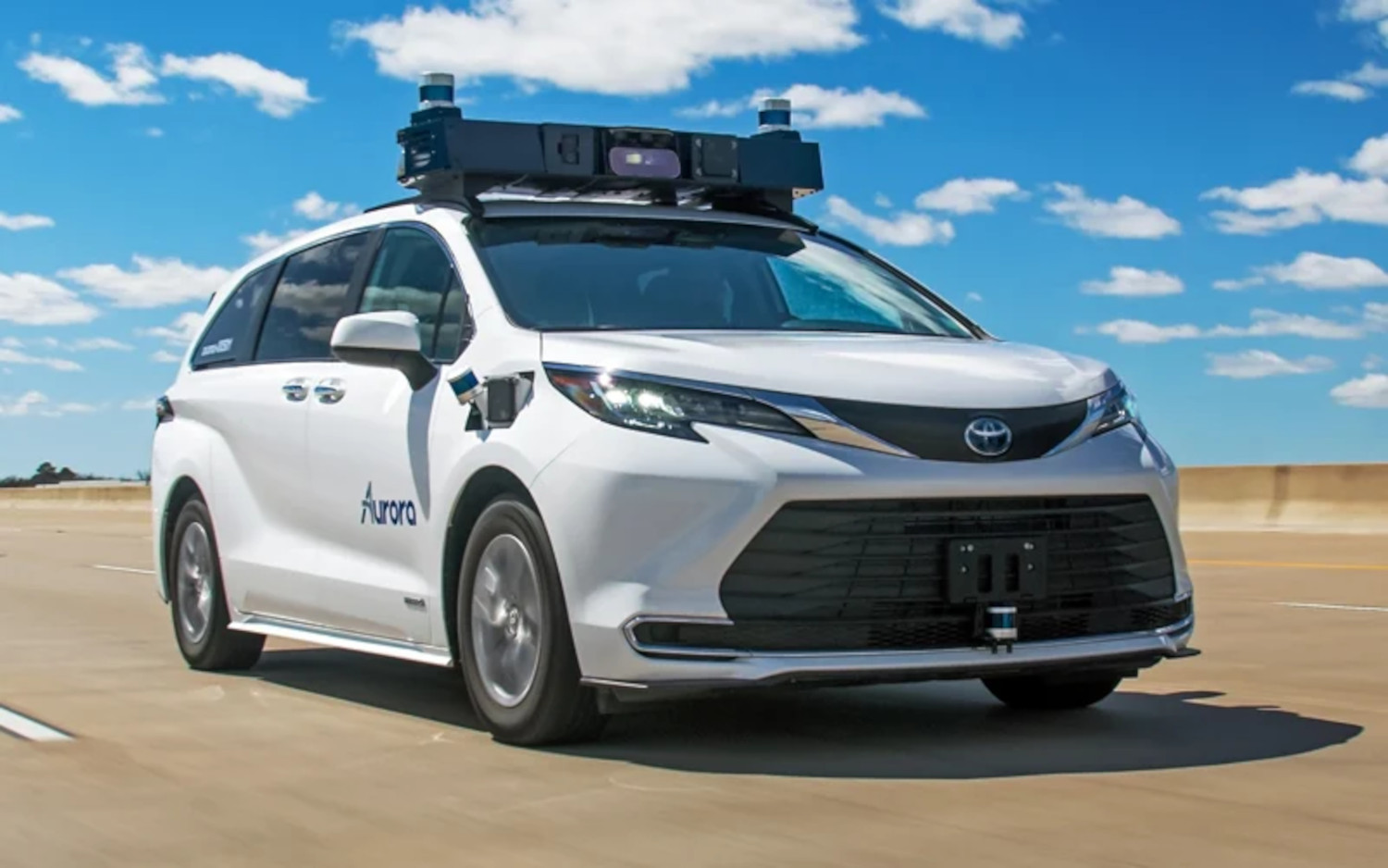
Uber has had a tumultuous relationship with autonomous technology. Under the leadership of its co-founder Travis Kalanick, the company invested in developing its own technology but faced legal controversies and a fatal accident in 2018 that temporarily halted testing. Eventually, Uber sold its autonomous vehicle division, ATG, to the startup Aurora in 2020. Despite these challenges, Uber remains committed to autonomy, though now through strategic partnerships.
Kansal believes the current partnership model with Waymo and other fleet providers is solid but does not rule out exploring other approaches in the future. His goal is to ensure that every ride, whether with a human driver or a robot, is perfect. To achieve this, he continues to test the services personally, riding in Waymo’s robotaxis in Austin and gathering data to improve the user experience. Although the path to full autonomy is fraught with challenges, Kansal is confident that Uber is well-positioned to lead this transition.
By: Nestor Castillo, ForAllTechNews Director
Image credit: Free Malaysia Today / CC BY 4.0 / Attribution 4.0 International