
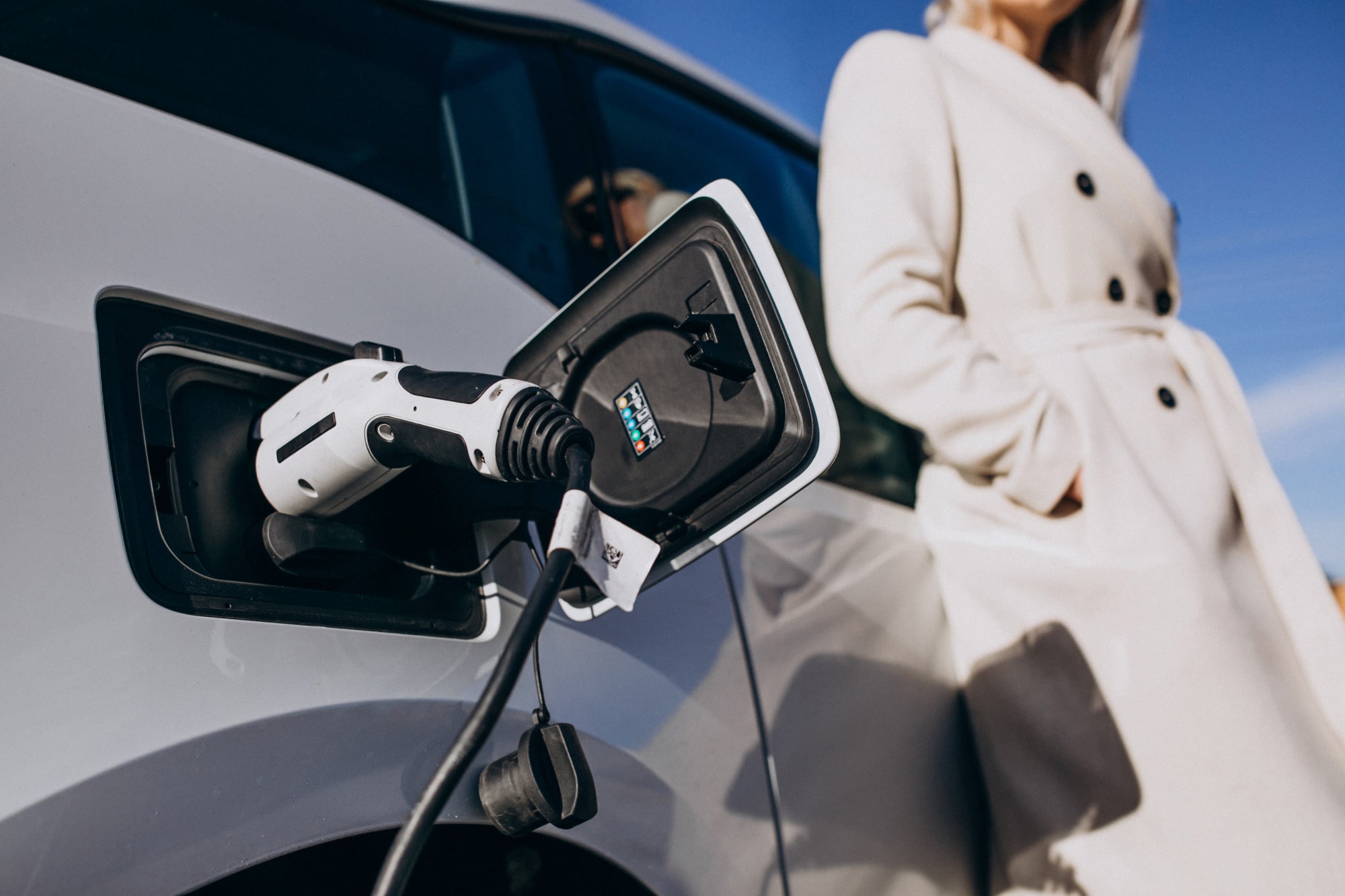
Toyota has announced that it will delay the assembly of an electric vehicle in the United States, originally scheduled for 2025-2026, due to a drop in the market. This decision follows similar moves by companies such as Porsche, Bentley, Aston Martin, Volkswagen, Apple, and Ineos, which have also postponed their EV projects due to lower-than-expected sales.
In recent years, the automotive industry seemed to be heading toward a future dominated by electric vehicles, seen as key to combating climate change and reducing dependence on fossil fuels. Brands like Tesla led this transition, promoting electric vehicles as both a symbol of luxury and sustainability. Major automakers like Ford, GM, Toyota, and Volkswagen followed suit, announcing plans to electrify their model lines.
However, global EV sales in 2024 have shown signs of slowing down after a record-breaking 2023. The International Energy Agency reported nearly 14 million units sold in 2023, but in 2024, growth has been much more modest outside of China. In Europe, new EV registrations dropped by 43.9% in August 2024, raising alarms in the industry and among policymakers.
This situation has forced manufacturers like Ford and GM to delay the production of several electric models in the U.S. Ford has postponed its electric truck “Project T3” until 2027, while GM has delayed the launch of the Chevrolet Silverado EV and other key models until 2026 or 2027, impacting its goal to produce 1 million electric vehicles per year by 2025.
By: Nestor Castillo, ForAllTechNews Director
Image credit: freepik.com