
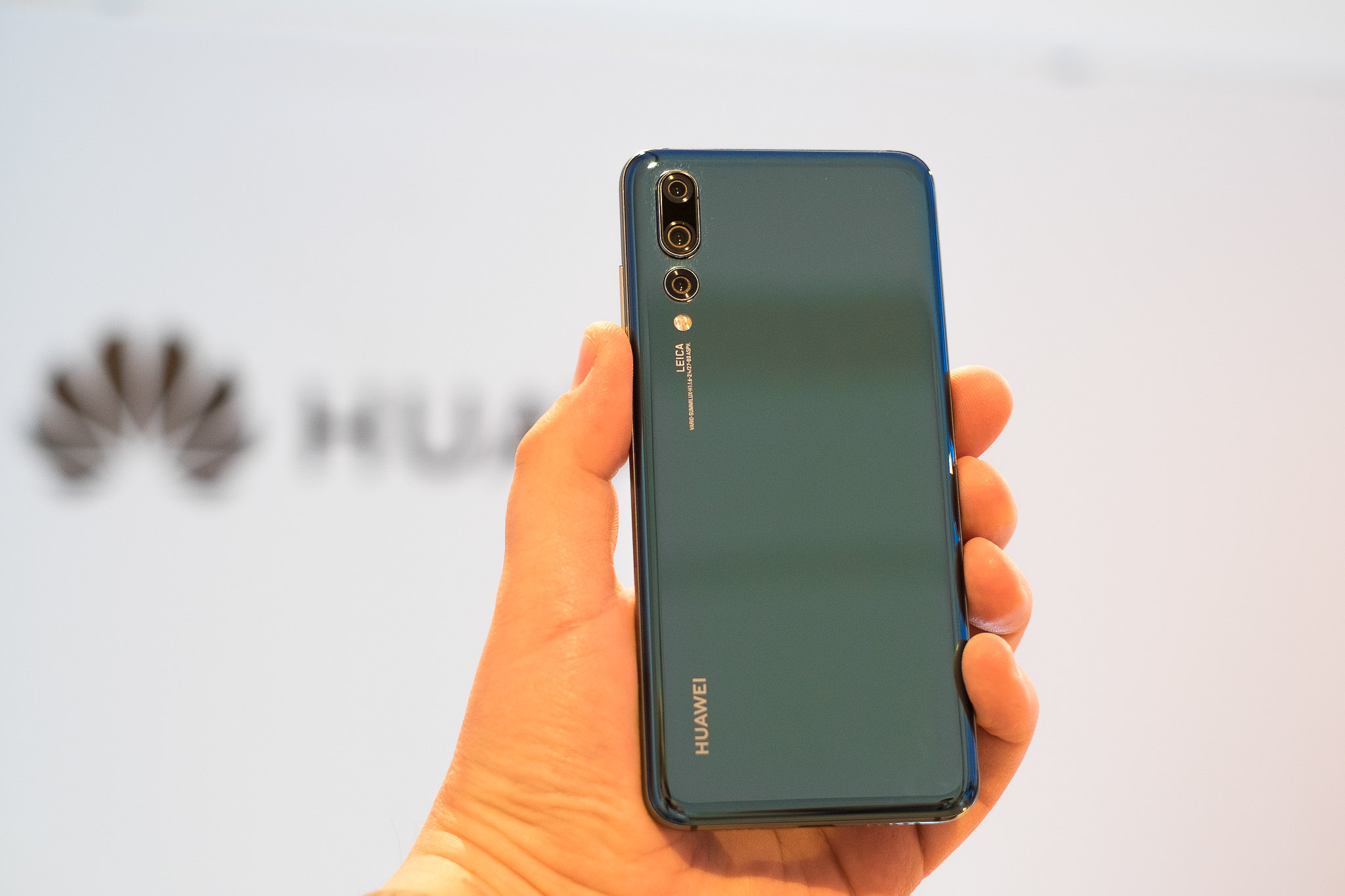
Huawei’s response to U.S. sanctions has been a key factor in the evolution of its strategy in the chip sector.
During the Connect 2024 conference, Xu Zhijun, rotating chairman of Huawei, outlined a vision centered on resilience and innovation, highlighting how U.S. restrictions have pushed the company to seek self-sufficiency, particularly in areas such as artificial intelligence, computing power, and semiconductors.
Huawei advances in innovation despite sanctions
In his speech, Xu emphasized that chip technology is vital for the future of AI and computing.
Despite the challenges posed by U.S. sanctions, which have restricted Huawei’s access to advanced chip manufacturing tools since 2019, the company has made significant progress.
One of the latest achievements is the introduction of the Kirin 9000s chip in its Mate 60 Pro model, a key milestone on its path towards technological self-sufficiency.
Xu also highlighted that computing power, essential for the advancement of AI, is directly linked to efficient chip technology, making semiconductor innovation a critical factor for Huawei’s long-term growth.
Although U.S. sanctions remain in place on national security grounds, Xu sees these limitations as opportunities to strengthen Huawei’s position. The tech giant seeks to develop an independent and sustainable computing industry, with innovation playing a central role.
Over time, Huawei has made innovation a cornerstone of its strategy to reduce reliance on foreign components and enhance its capabilities in the AI and semiconductor sectors.
Transition from Windows to HarmonyOS
In addition to its hardware advancements, Huawei is also making strategic moves in the software sector. The company has announced that it will abandon Windows in its next generation of PCs to adopt its own operating system, HarmonyOS.
On September 20, during a live broadcast, Yu Chengdong, president of Huawei’s consumer division, confirmed that future Huawei PCs will run on HarmonyOS.
This decision is a direct response to U.S. restrictions that have limited Huawei’s access to advanced software technologies.
Huawei’s shift from Windows to HarmonyOS marks another important step in its broader self-sufficiency strategy.
The company is set to launch new laptops equipped with HarmonyOS, signaling a significant change in its product portfolio and reinforcing its goal of reducing reliance on foreign technologies.
By: Nestor Castillo, ForAllTechNews Director