
Nothing reminds us of the solidity of text like an epic failure.
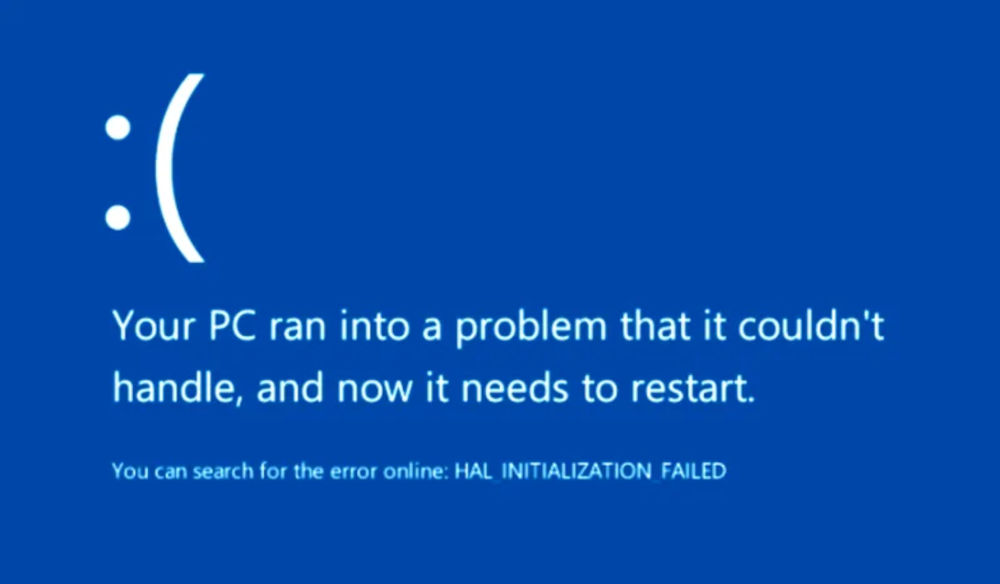
Recently, numerous global companies, including banks, airlines, and television channels, were forced to halt their operations due to a defective Windows security update. This update rendered thousands of computers unusable, causing them to reboot and get stuck on the dreaded blue screen of death. Suddenly, the icons we cherished disappeared, leaving us powerless. This event provides an opportunity to reflect on the processes that led Microsoft to become such a powerful monopoly.
At the time of the incident, I was reflecting on an exceptional phase in history that began in the 15th century and has only recently been surpassed by the widespread use of interactive color screens. This phase was characterized by the cultural acceptance of black-and-white pages, without illustrations or images. Part of this reflection was driven by another cybersecurity failure that forced us to use books in the British Library with paper and pencil instead of the online systems we once took for granted. This regression, and the time I spent in the library contemplating its permanent exhibits, reminded me that manuscripts have always been decorated with illustrations…
Reflection on Technological Dependence
The recent incident with the Windows update highlights our dependence on modern technology and how, despite advancements, we remain vulnerable to catastrophic failures. The blue screen of death is a reminder that, although graphical user interfaces (GUIs) have transformed the way we interact with computers, they are not infallible. Companies and organizations must consider alternatives and prepare for potential technological failures.
Microsoft and Its Monopoly
Reflecting on how Microsoft came to dominate the software market is crucial. Since its founding, the company has played a dominant role, setting standards and exerting significant control over the market. However, this control also means that errors and failures in their systems can have a devastating global impact, as seen in the recent incident.
The History of Text and Image
The event also invites us to consider the evolution of written communication. From the illuminated manuscripts of the Middle Ages to the black-and-white printing that prevailed from the 15th century onwards, the way we consume information has changed drastically. Today, interactive color screens have once again placed the image at the center of communication. However, the recent failure reminds us of the importance of words and written text as means of preserving and transmitting information.
In summary, the blue screen of death is not just a technical failure but a symbol of our technological dependence and an invitation to reflect on the history and evolution of written and visual communication.
By: Nestor Castillo, ForAllTechNews Director